Insurance & Restoration · 13 min read
Florida Homeowners Insurance and Restoration: What's Actually Covered
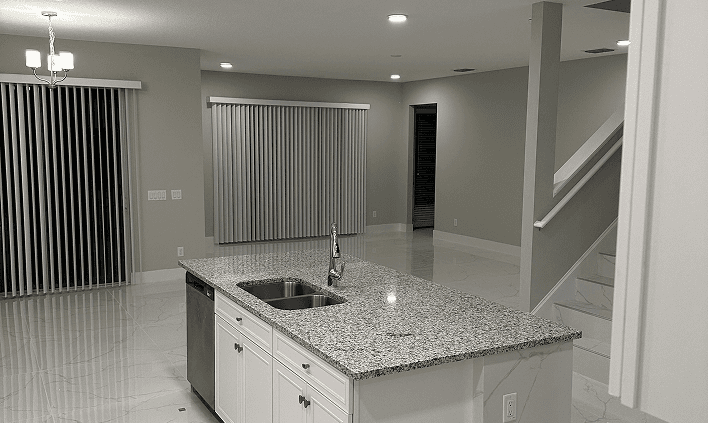
Florida homeowners insurance is complicated, expensive, and increasingly difficult to obtain. The state has seen multiple carrier insolvencies, rate increases exceeding 30% in some years, and legislative changes that affect what's covered and how claims are handled. For homeowners dealing with property damage, understanding your coverage is as important as finding a good contractor.
This guide explains what Florida homeowners insurance actually covers for restoration purposes — the perils, the exclusions, the deductibles, and the process. It's written from the contractor's perspective, based on hundreds of claims we've navigated with Tampa Bay homeowners. For step-by-step claims guidance, see our insurance claim filing guide.
What a standard Florida HO-3 policy covers
Most Florida homeowners have an HO-3 (special form) policy. This covers your dwelling and personal property against 'open perils' — meaning everything is covered unless it's specifically excluded. Here's what that means for restoration:
- Fire and smoke damage: fully covered, including structural repair, personal property replacement, debris removal, and Additional Living Expenses (ALE). See our fire damage guide.
- Wind and hail damage: covered, including roof damage, structural damage, and interior damage caused by wind-driven rain through damaged openings. Subject to hurricane deductible during declared hurricanes. See our storm damage guide.
- Sudden and accidental water damage: burst pipes, appliance failures, and accidental overflow. Covered for extraction, drying, repair, and content restoration. See our water damage guide.
- Vandalism and theft: covered for both structural damage and personal property loss.
- Falling objects: trees, debris, aircraft (yes, it happens). Covered for structural and property damage.
- Weight of ice, snow, sleet: rarely relevant in Tampa Bay but technically covered.
- Sudden and accidental discharge from appliances: water heater burst, washing machine overflow, HVAC condensation failure.
What is NOT covered: key exclusions
The exclusions list is where most Florida homeowners get surprised. These are the most common restoration-related exclusions:
- Flood: rising water from ground, storm surge, overflowing rivers/creeks, and tidal activity. Flood requires a separate NFIP or private flood policy. This is the biggest gap in Florida.
- Gradual or long-term water damage: a pipe that's been leaking slowly for months is typically excluded as 'deferred maintenance.' The distinction between 'sudden' and 'gradual' is often the central dispute in water damage claims.
- Mold: covered, but usually capped. Most Florida policies limit mold coverage to $10,000–$50,000. If mold remediation after a covered water event exceeds your cap, you pay the difference. See our mold remediation guide.
- Earthquake and sinkholes: standard policies exclude these. Sinkhole coverage can sometimes be added as an endorsement in Florida.
- Wear and tear / deterioration: aging roofs, deteriorating plumbing, crumbling stucco — all excluded. If your 25-year-old roof leaks during a storm, the carrier may argue it failed due to age, not wind.
- Neglect: if you knew about a problem and failed to address it, coverage may be denied.
- Cosmetic damage: dents in metal roofing or gutters that don't affect function may be excluded in newer Florida policies.
- Ordinance or law costs: if your repair triggers a code upgrade requirement (like Florida's 25% roof rule), some policies exclude the additional cost. Check your policy or ask your agent.
Understanding your deductibles in Florida
Florida homeowners typically have two deductibles, and they work differently:
- Standard deductible: a flat amount ($1,000–$5,000) that applies to non-hurricane claims — burst pipes, fire, vandalism, etc.
- Hurricane deductible: a percentage of your dwelling coverage (typically 2%, but can be 5% or even 10%) that applies only during declared hurricanes. On a $400,000 dwelling policy with a 2% hurricane deductible, you pay the first $8,000 out of pocket.
- Hurricane deductibles apply per storm season, not per event. If you have damage from two hurricanes in one season, you only pay the deductible once.
- Named storm deductible: some policies use this instead of 'hurricane deductible.' It applies to any named tropical storm, not just hurricanes. Check your declarations page.
ACV vs. RCV: how Florida insurance pays
Florida property claims are paid in two stages, and understanding this prevents cash-flow surprises:
The first payment is Actual Cash Value (ACV): the cost to replace the damaged property minus depreciation, minus your deductible. For a 10-year-old roof, the ACV might be 40–60% of the replacement cost.
The second payment is Replacement Cost Value (RCV): the supplement that brings the total payout up to the full replacement cost. This is paid after you complete the repairs and submit receipts. If you don't do the work, you don't get the supplement.
Some Florida policies (especially on older homes or in high-risk areas) are ACV-only — meaning you only get the depreciated value, period. Check your policy type before you need it.
Assignment of Benefits (AOB) in Florida
An Assignment of Benefits is a legal document that transfers your insurance claim rights to a third party — usually a restoration company or plumber. It allows the contractor to deal directly with your insurance company and receive payment directly.
AOBs were widely abused in Florida for years, leading to inflated claims, lawsuits, and carrier insolvencies. Florida has significantly tightened AOB regulations:
- SB 2-A (2022) effectively eliminated one-way attorney fees in AOB cases, reducing the financial incentive for inflated claims.
- Contractors using AOBs must provide a written, itemized estimate and cannot charge more than the estimate without written authorization.
- Homeowners have the right to rescind an AOB within 14 days.
- Our recommendation: be cautious with AOBs. In most cases, you're better off maintaining control of your claim and working with a restoration contractor who coordinates with your adjuster without taking over your claim rights.
Choosing a restoration contractor for insurance work
Not all contractors are equal when it comes to insurance restoration. Here's what to look for:
- Experience with insurance claims. A contractor who can submit Xactimate-format estimates, speak the adjuster's language, and navigate the supplement process will recover more money for your claim than one who just does the work.
- Licensed in Florida. CGC (general contractor) or CBC (building contractor) for structural work. CCC for roofing.
- Willing to work within the insurance process. Good contractors coordinate with adjusters, submit proper documentation, and don't pressure you to sign an AOB.
- Transparent pricing. You should see an itemized scope of work, not a lump-sum number.
- Local to Tampa Bay. Local contractors understand tri-county permit offices, Florida building code, and the Florida insurance landscape.
- Check reviews specifically for insurance restoration work. This is a different skillset than regular remodeling.
Tips for maximizing your insurance claim
- Document damage immediately and thoroughly — photos, video, written inventory. More documentation = stronger claim.
- Report damage promptly. Florida law requires prompt notification, and delays give carriers grounds to question coverage.
- Don't dispose of damaged materials before the adjuster inspects (unless it's an emergency health hazard).
- Be present for the adjuster's inspection. Walk them through every damaged area.
- Get your contractor's estimate before or alongside the adjuster's scope. If there's a discrepancy, file a supplement.
- Keep records of all communication with your carrier — dates, names, what was discussed.
- Know your policy limits, deductibles, and exclusions before you need them. Read your declarations page annually.
- If you disagree with the carrier's decision, you can invoke appraisal, hire a public adjuster, or consult an attorney. These are legitimate options, not adversarial moves.
Florida insurance market in 2026: what homeowners should know
The Florida property insurance market has been through significant turbulence. Here's the current landscape:
- Premiums remain high. Florida homeowners pay 3–5x the national average for property insurance. Shopping annually and maintaining your property are the best ways to manage costs.
- Citizens Property Insurance (the state-backed insurer of last resort) has tightened eligibility and is actively depopulating policies to private carriers.
- Roof age requirements: many carriers won't write or renew policies on homes with roofs older than 15–20 years. If your roof is aging, replacement may be necessary to maintain coverage.
- Wind mitigation inspections can reduce premiums by 10–30%. These inspections evaluate your roof's wind resistance features (clips, straps, deck attachment, secondary water barrier).
- ICF construction, impact-rated roofing, and hurricane shutters/impact windows can all reduce premiums. See our ICF guide for insurance savings from hardened construction.
Frequently Asked Questions
Does Florida homeowners insurance cover water damage?
+
Yes, if it's sudden and accidental — burst pipes, appliance failures, accidental overflow. Gradual leaks, deferred maintenance, and flood are typically excluded. Flood requires a separate policy. See our water damage cost guide for what restoration costs.
What is a hurricane deductible in Florida?
+
A hurricane deductible is a percentage of your dwelling coverage (typically 2%) that you pay out of pocket before insurance kicks in during a declared hurricane. On a $400,000 dwelling policy, a 2% hurricane deductible is $8,000. It applies per storm season, not per event.
Is mold covered by Florida homeowners insurance?
+
Usually yes, but with limits. Most Florida policies cap mold coverage at $10,000–$50,000. If mold results from a covered water event (burst pipe), the initial water damage claim is separate from the mold coverage cap. Check your policy limits. See our mold remediation guide.
What is the difference between ACV and RCV?
+
ACV (Actual Cash Value) is the depreciated value of damaged property. RCV (Replacement Cost Value) is the full cost to replace it with new materials. Most Florida policies pay ACV first, then pay the RCV supplement after repairs are completed and receipts are submitted.
Should I sign an Assignment of Benefits (AOB)?
+
Be cautious. An AOB transfers your claim rights to a contractor, removing your control. While sometimes appropriate, most homeowners are better off working with a contractor who coordinates with the adjuster without taking over the claim. Florida law gives you 14 days to rescind an AOB after signing.
How do I lower my Florida homeowners insurance premium?
+
Get a wind mitigation inspection (potential 10–30% savings), consider impact-rated roofing and windows, replace aging roofs before they become uninsurable, increase your deductible (if you can afford the out-of-pocket), and shop carriers annually. ICF construction and hurricane shutters also reduce premiums.
Want a real number on your project?
We give itemized, no-pressure quotes for Tampa Bay kitchen, bath, and full-home remodels. Most clients hear back the same business day.
Related guides
Insurance & Restoration
How to File an Insurance Claim for Property Damage in Florida (2026 Guide)
Insurance & Restoration
Water Damage Restoration Cost in Tampa 2026: What to Expect
Insurance & Restoration
Fire Damage Restoration: What to Do in the First 48 Hours
Insurance & Restoration